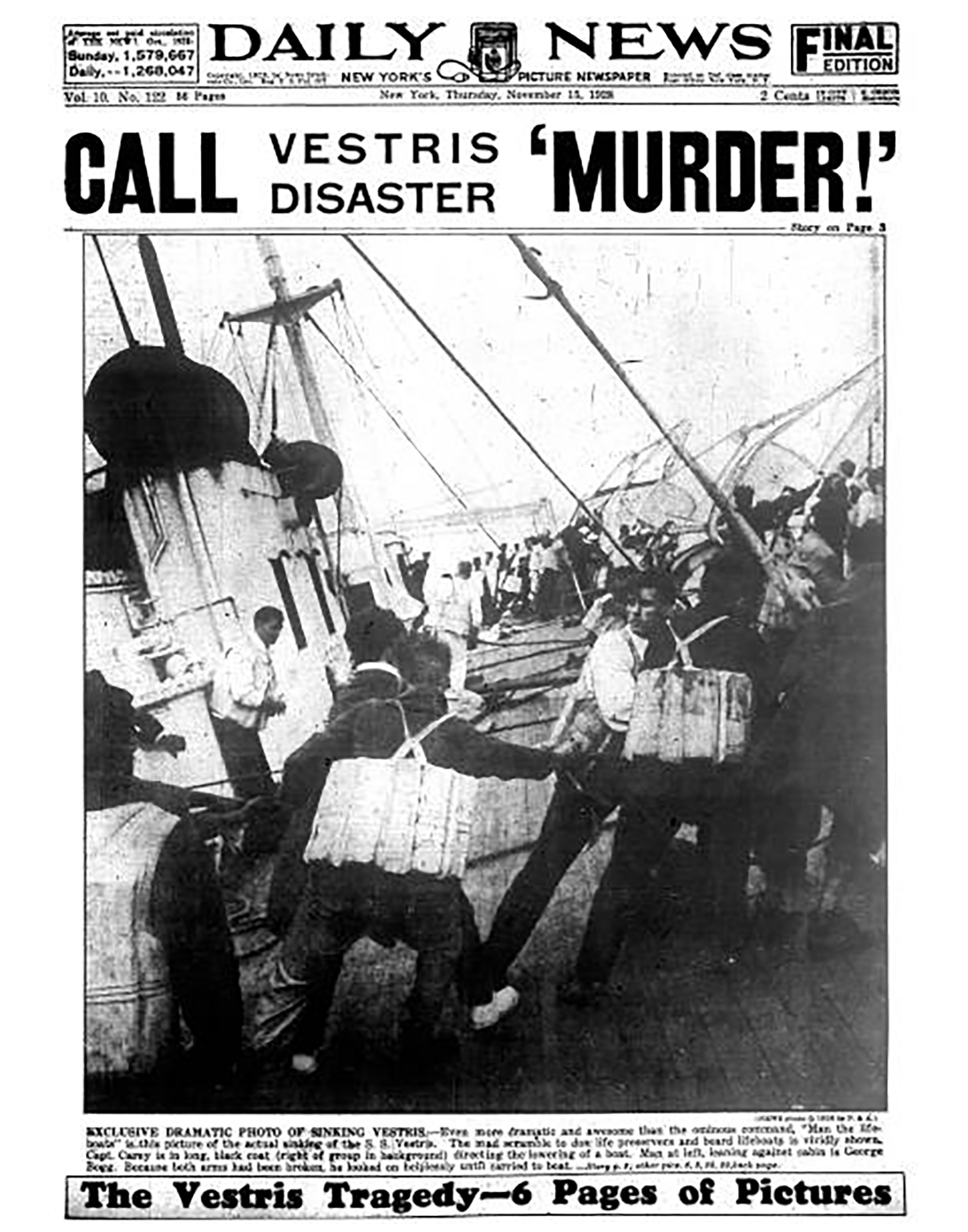


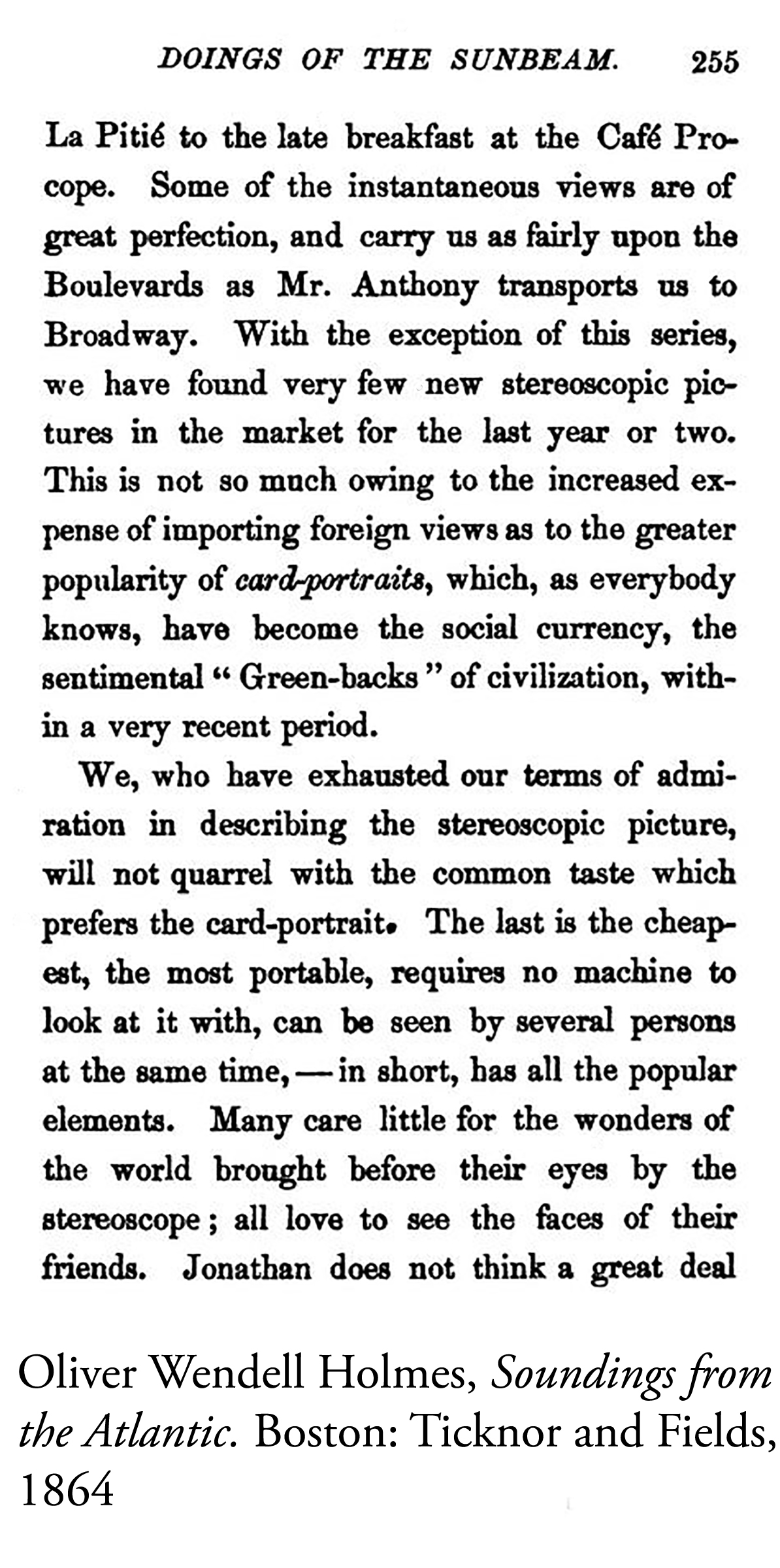
Invented in 1854, the mass-produced 6-by-9 centimeter carte de visite photograph was at its peak of collectible popularity during the 1860s, when Oliver Wendell Holmes remarked,
 So Thomas Wentworth Higginson was only exhibiting the common taste of 1862 when he asked Emily Dickinson for her picture. He would have been startled by the first sentence of her reply: “Could you believe me without?” Miss Dickinson went on to explain:
It often alarms Father – He says Death might occur, and he has Molds of all the rest, but has no Mold of me, but I noticed the Quick wore off those things, in a few days, and forestall the dishonor – You will think no caprice of me –
The Letters of Emily Dickinson, ed. Cristanne Miller and Domhnall Mitchell (Harvard University Press, 2024), no. 345.
And no image followed, then or ever after.
But before, when she was only sixteen, a single earlier image was graven. It was a daguerreotype: an early kind of photograph which was reflective, like a mirror, and unique: lacking a negative and therefore reproducible only by rephotographing. That description sounds like a metaphor custom-fitted for a Dickinson Diana, but the 1847 daguerreotype is mostly generality. William C. North, the traveling “Daguerrian artist” who uncovered his lens in the presence of Emily Dickinson, performed exactly the same repertoire for her mother: pose, prop book and all. Nor was he killed by his own dogs for his presumption.
Daguerreotypes are pitiable on their own terms, too. Consisting only of a thin mercury-amalgam film deposited on a hard surface, a daguerreotype has to be shielded behind glass, and any contact with anything else that’s hard will leave a permanent mark. Over time, contact will be almost unavoidable. And if you try merely to look hard, aided by a lens or a video program, the blemished metal superficies will defeat your vision right there.
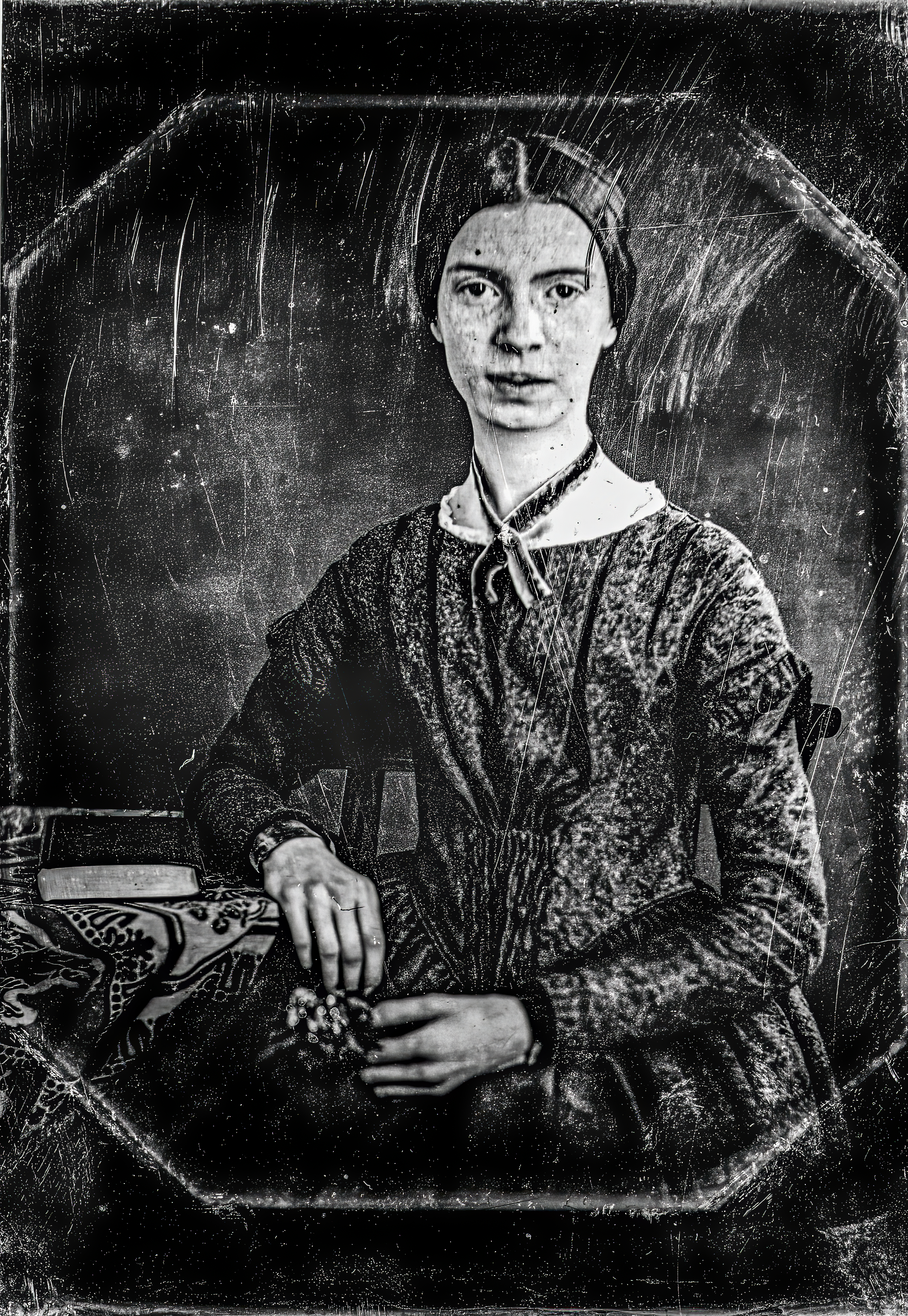
But I ask you to run the video once again, this time under the control of a program that commands, “Clean the metal with benzoyl peroxide, but leave the flesh to its blemishes.”
More detail will appear, but it will be only surface detail. Even after it has scribed itself into metal, it will remain only gossip. “With a metallic grin,” it will titter that sixteen-year-old Emily’s acne was bad and she may have had her hair in a net.* You’ve been trying to penetrate, but you’re still only skating across the impenetrable.
But keep skating. Skate on until you freeze into a snow queen. Because most daguerreotypes are mirror images, I think we’re warranted in asking Photoshop to reverse itself and make the queen’s icy image our own mirror. Look, therefore. Wait five seconds.
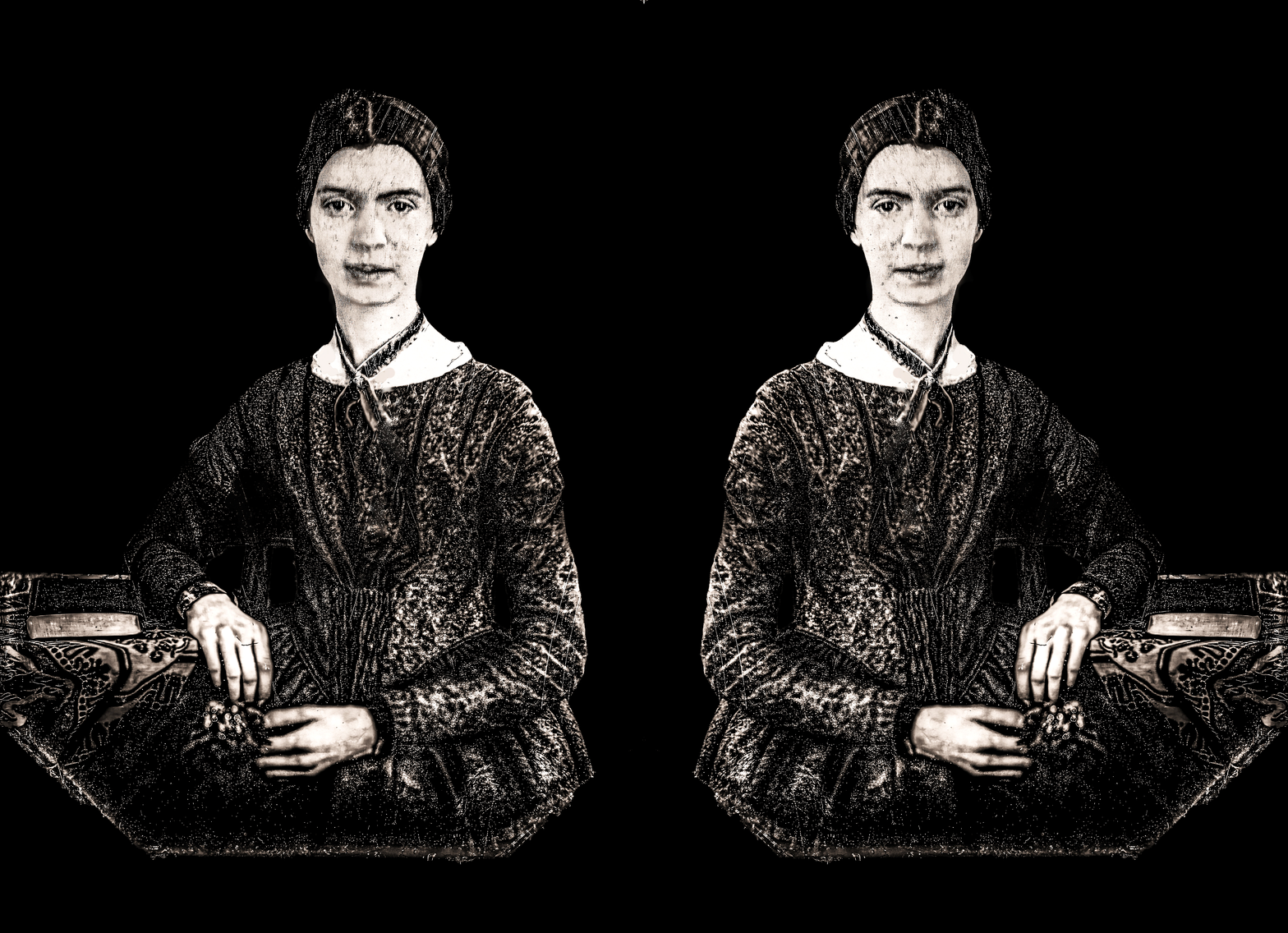
And see: this image’s eye is capable of piercing any lens between itself and you, whether it’s a lens of glass or a lens of vitreous humor. The imaged body moves itself from side to side, toward you.
How ‘scape you killing?
.
.
* Fr243, “That after horror”
.
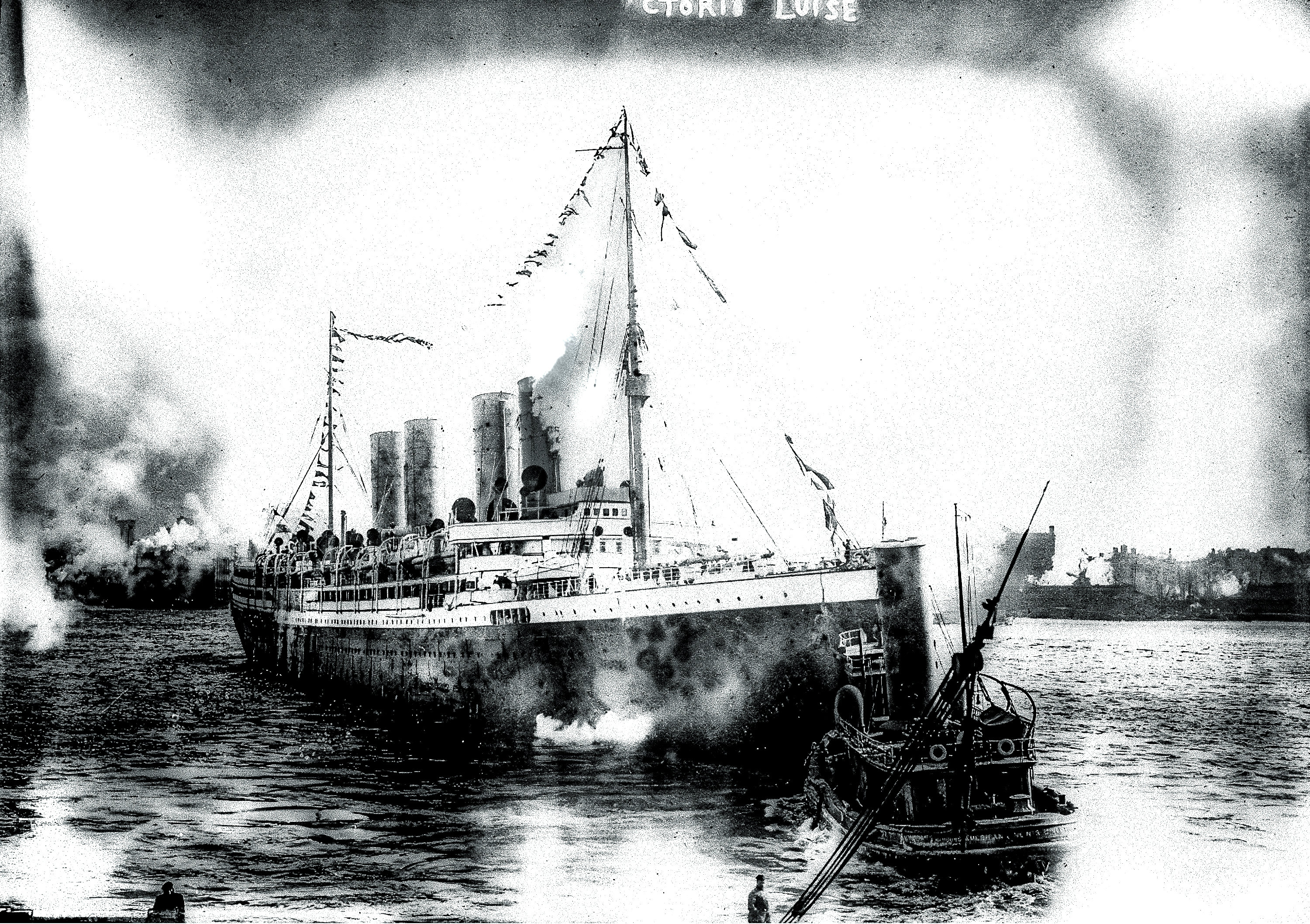
The Hamburg-America Line cruise ship Victoria Luise, probably photographed in New York between about 1910 and 1915. George Grantham Bain Collection, Library of Congress, https://www.loc.gov/pictures/item/2014695246/. Image restored. The ship’s funnels were yellow.
.
.
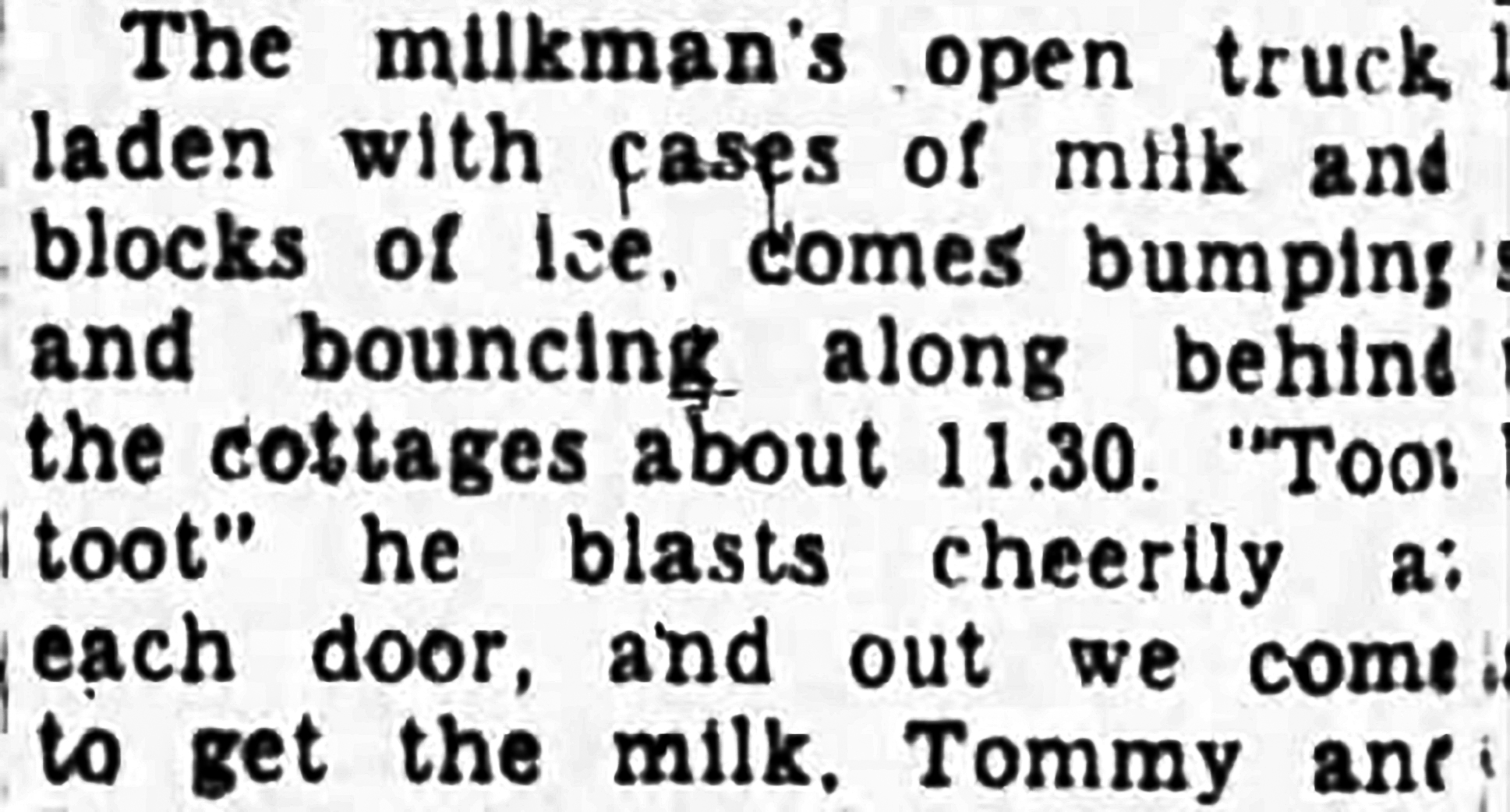
(And when was the last time you said “laden”?)
singing
Oh, better far to live and die
Under the brave black flag I fly
Than play a sanctimonious part
With a pirate head and a pirate heart!
An American bestseller in 1959 was Robert N. Linscott’s Selected Poems and Letters of Emily Dickinson. In 1955 and 1958 Thomas H. Johnson had published the first scholarly editions of Dickinson in six expensive volumes, and in pre-internet 1959 readers who could afford them could see how much richer those were on the page than the nineteenth-century texts that Linscott was now reselling. But the nineteenth-century texts had always been rich on their own terms, and Linscott’s edition was a bargain.
It was published in Doubleday’s Anchor series of paperbacks which asked to be experienced seriously as both texts and works of graphic art, and its cover portrait of Dickinson was commissioned from Leonard Baskin, the sculptor-painter who had concluded for himself and his massive métier that “Our human frame, our gutted mansion, our enveloping sack of beef and ash is yet a glory.”*
The sermon rhythm of that hymn to an artist’s model’s body is lulling. But does Dickinson lull? Next door to the gutted mansion lies the home of a poet for whom home is not necessarily a glory but necessarily a hiding place: a place to be seen from but not to be seen. Its situation is a big brick house, dark in Baskin and Linscott’s time but painted shiny yellow in Dickinson’s time and again in ours. Within that integument there once hid a poet. Bodily, as she would have been looked at by a sculptor, she wasn’t glorious. Linscott reprinted the words of the letter that Thomas Wentworth Higginson wrote about her to his wife: “A little plain woman with two smooth bands of reddish hair [ . . . ] with no good feature” (JL342a, ML531). One meaning of the count-noun glory is nimbus or halo, but that kind of glory isn’t plain under that circumstance. Try to accommodate anyway, pleads Baskin’s artwork from the jacket of its book. To an ophthalmologist the word accommodation speaks of the work our eyes do for us, and for a time in her life Dickinson was terrified for her eyes. So (pleads the word) try one more time to think of her as if she were what you see.
If your visual field nourishes a crop of some browned paper first made extant to eyes in 1959, that will be what you see. But it won’t see you back. Looking at it, you may see but you won’t have been seen.
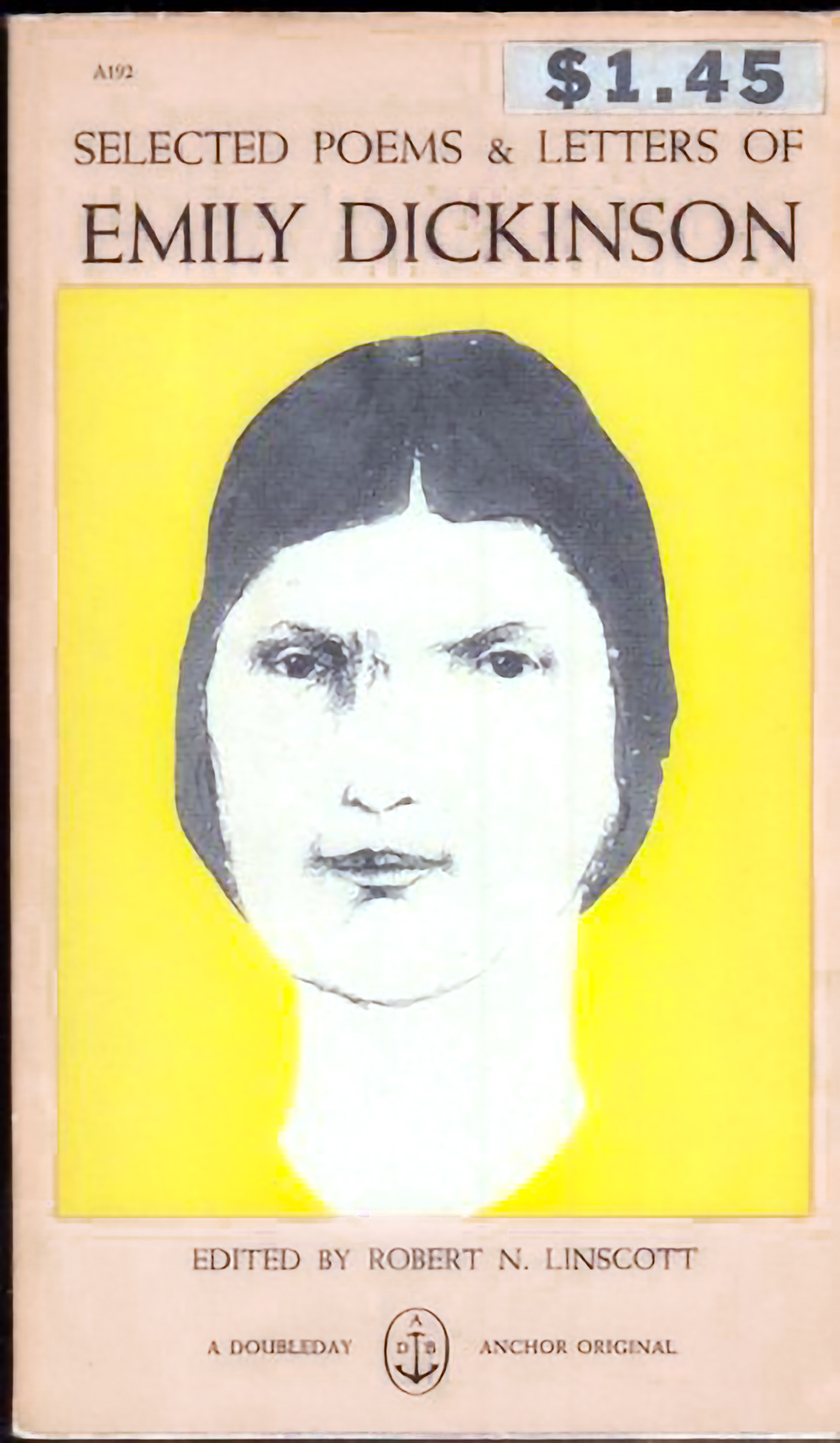
But take the jacket off. Printing-pressed into the woodpulp of their poetry book, its words aren’t a poem; they are only a poem’s jacket. So take it off. Stop trying to see the image.
Instead, let it see you.

Did that compel you to words?
With the jacket off, were the words “I was afraid, because I was naked”?
.
*.The quotation can be found in Baskin’s New York Times obituary at
https://timesmachine.nytimes.com/timesmachine/2000/06/06/614181.html?pageNumber=23
.
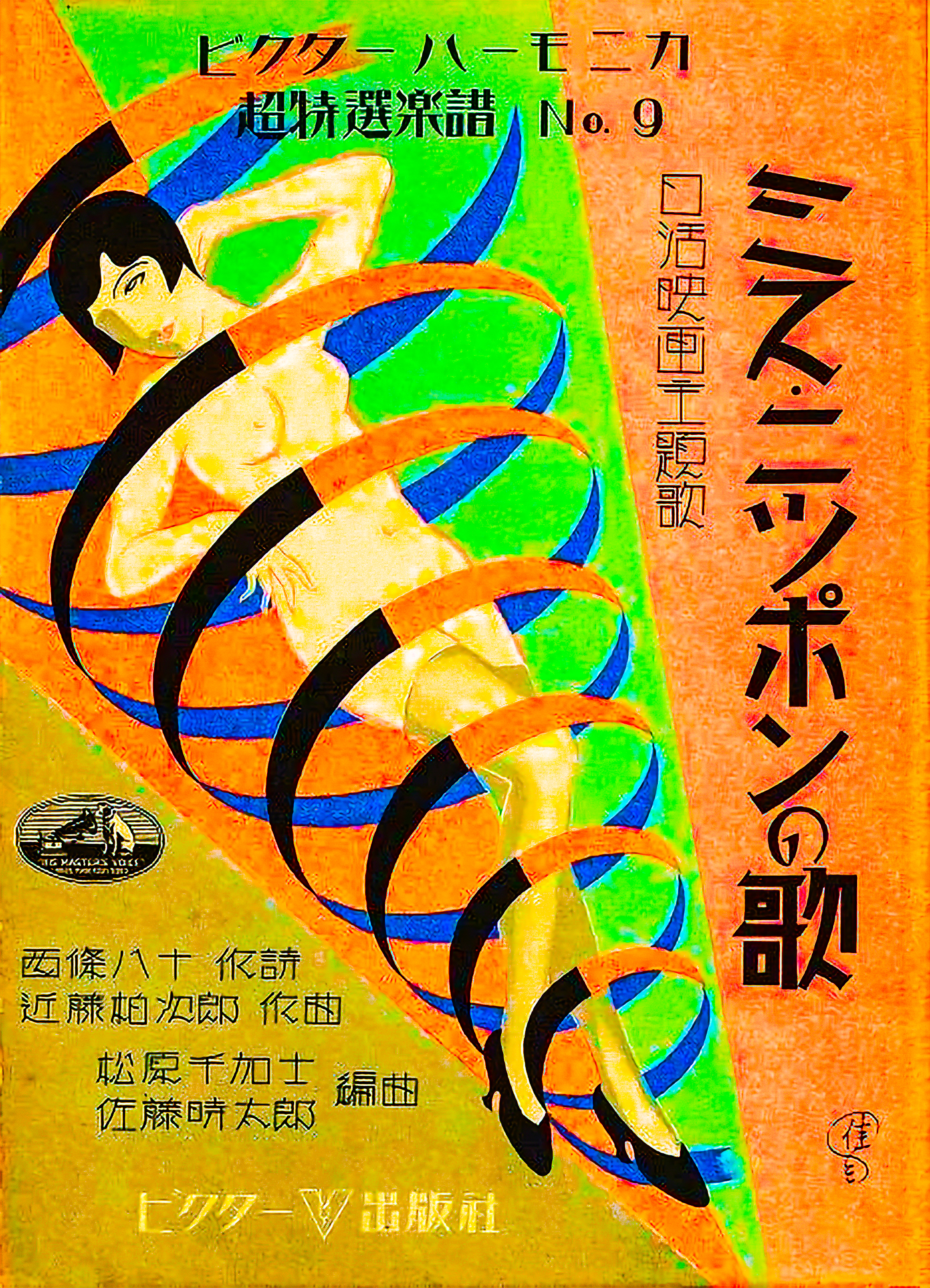
“Published in 1930 (Shōwa 5) by Victor Publishing, this vibrant sheet music cover for ‘Miss Nippon no Uta’ (Song of Miss Nippon) represents a high watermark of Japanese Art Deco graphic design during the interwar era.”
— The Kimono Gallery, https://yorkeantiquetextiles.com, via https://bsky.app/profile/roger1952.bsky.social/post/3mu6x6xagkk2s. Image restored for color and contrast.