and vice president with responsibility over surety and fidelity,
thou shouldst be living at this hour.
and vice president with responsibility over surety and fidelity,
thou shouldst be living at this hour.

Notwithstanding, coconuts can injure when they fall from their trees. That’s why it’s unusual in Hawaii’s urban areas (such as, here, the Hawaiian Electric substation next to my neighborhood post office in Honolulu) to find a tall palm like this one that hasn’t been trimmed.

Any discrepancy between the expressed or implied contents of the above documents should be taken up with your insurance agent. I’d recommend Mr. Stevens of Hartford Accident and Indemnity, who once wrote a tree rider titled “Of Mere Being.” Conclusively, in the fine print (it was the last policy he published in his lifetime), it enumerates that
The palm at the end of the mind,Beyond the last thought, risesIn the bronze decor,.A gold-feathered birdSings in the palm, without human meaning,Without human feeling, a foreign song..You know then that it is not the reasonThat makes us happy or unhappy.The bird sings. Its feathers shine..The palm stands on the edge of space.The wind moves slowly in the branches.The bird’s fire-fangled feathers dangle down.
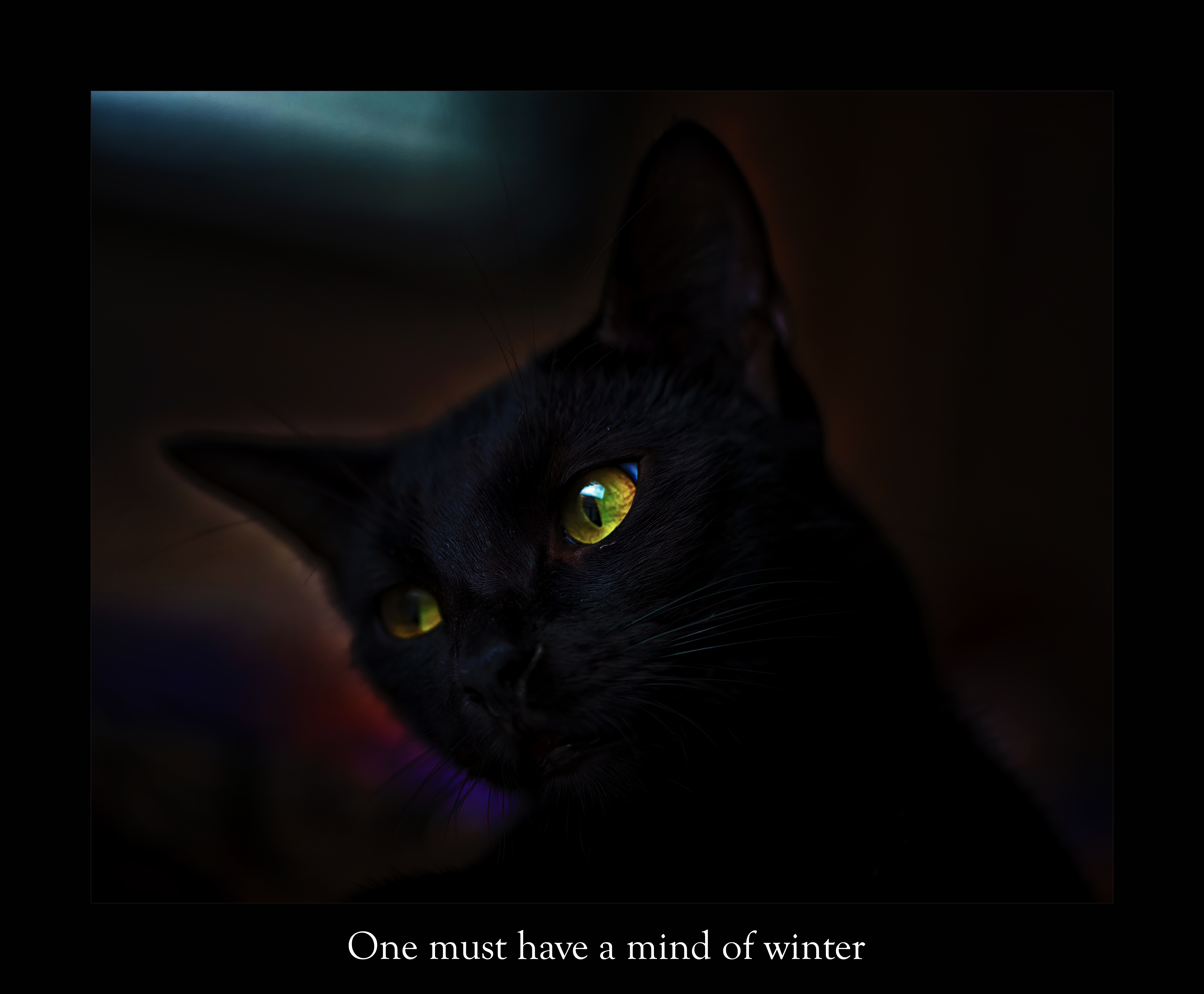

Hawaii Kai recycling center, Honolulu, May 13, 2021: under the trailer.

In warm Hawaii a bag of empty cans will acquire a population of spiders and cockroaches, and the parking lots at the recycling depots will fill with gourmets like this cattle egret.
In cold Connecticut, Wallace Stevens wrote a poem called “The Man on the Dump” which ends with a find: among recyclables, the definite article.
Where was it one first heard of the truth? The the.
Through the poem, too, birds walk.
For which the intricate Alps are a single nest.
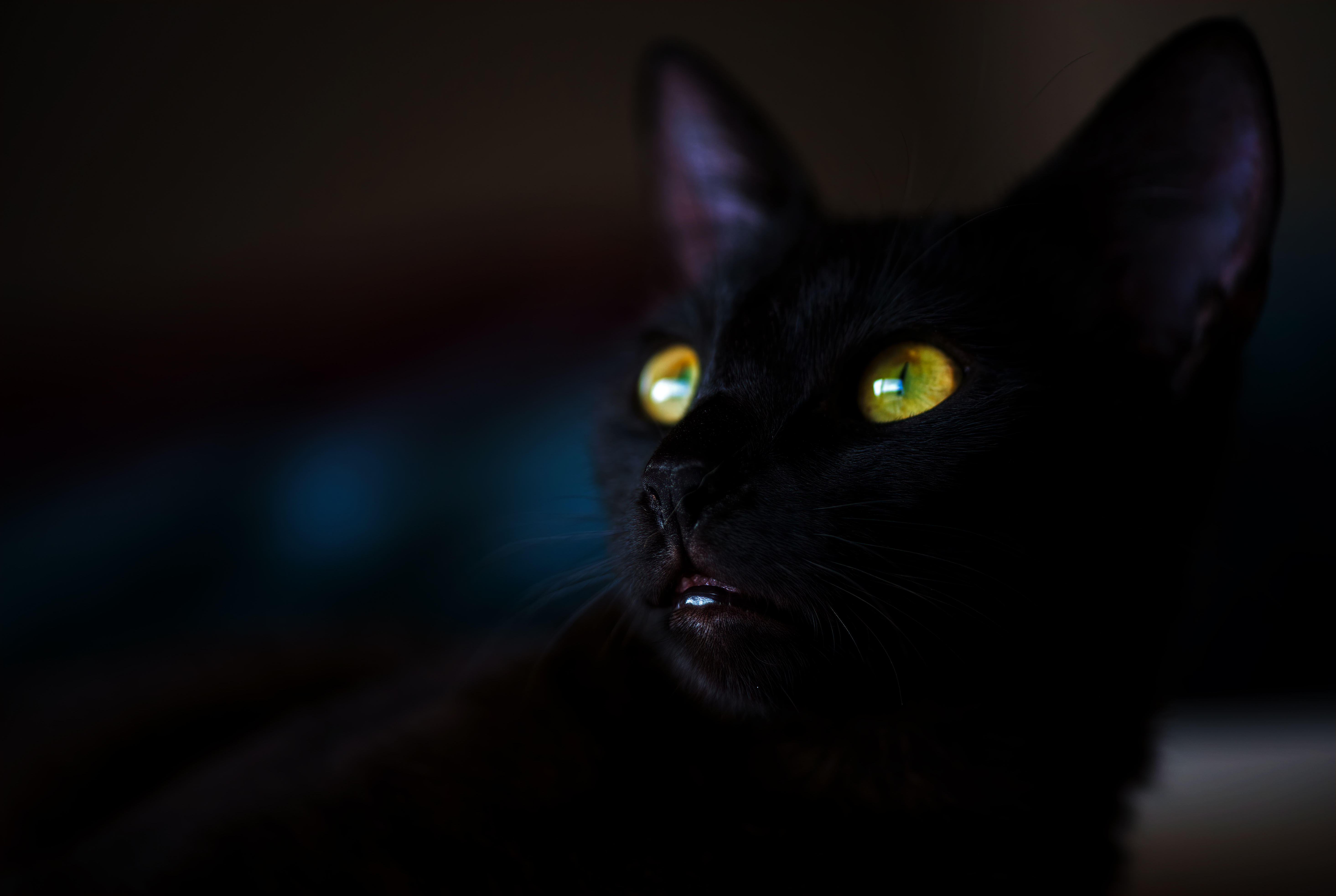
O.D.: Let the lamp affix its beam.
As the pioneer photographer Lewis Carroll understood, when a lens approaches a reflective surface

the surface can fold vision back on itself and make the act of seeing a complement to the state of being seen. Under that condition

(O.S.), there may seem to be seen (for instance) an orbit filled with a globe. In that globe, let there be partially visible below its half-reflective surface an image of a camera held by a man seeing through its lens.
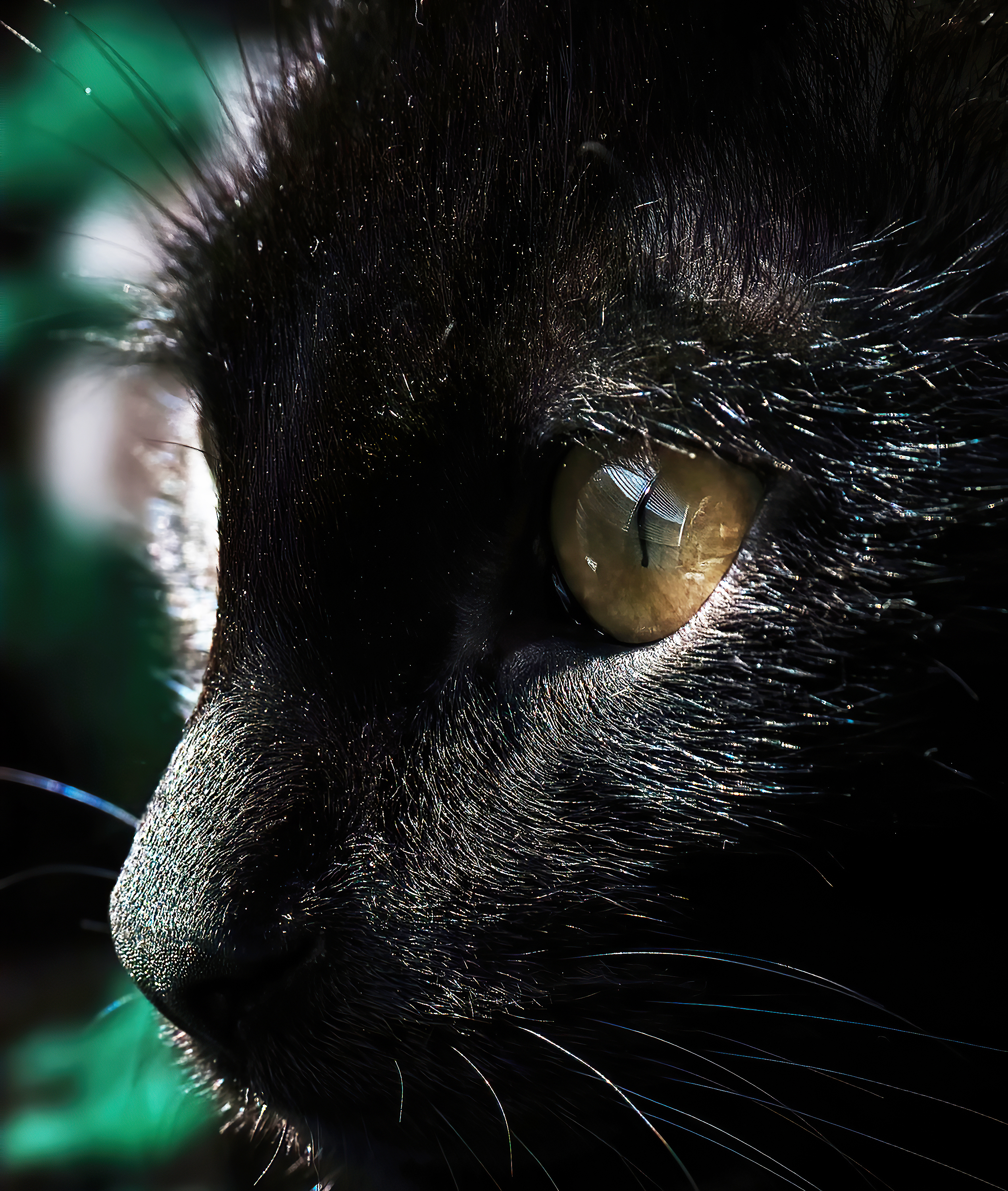
You can visualize that. “Let be be finale of seem,” says the lamplighted poem to you, calling your attention to its flashy display. But of all the elements in that display, the lens, of all things, can’t be used for seeing. As soon as it started sinking into the globe, it stopped being an apparatus to serve you and became part of globe’s image, in globe’s orbit. And there you cannot enter. You are out in the black, where the light of O.D. shines past but not into. Empirical confirmation: you couldn’t see the man in the act of his being until you had read these words instructing you what his reflection was supposed to seem to be.


The palm at the end of the mind,
Beyond the last thought
Until the rolling heaven made them blue,
A blue beyond the rainy hyacinth.
It must
Be the finding of a satisfaction, and may
Be of a man skating, a woman dancing, a woman
Combing. The poem of the act of the mind.

Sources: “Sea Surface Full of Clouds” and “Of Modern Poetry.”