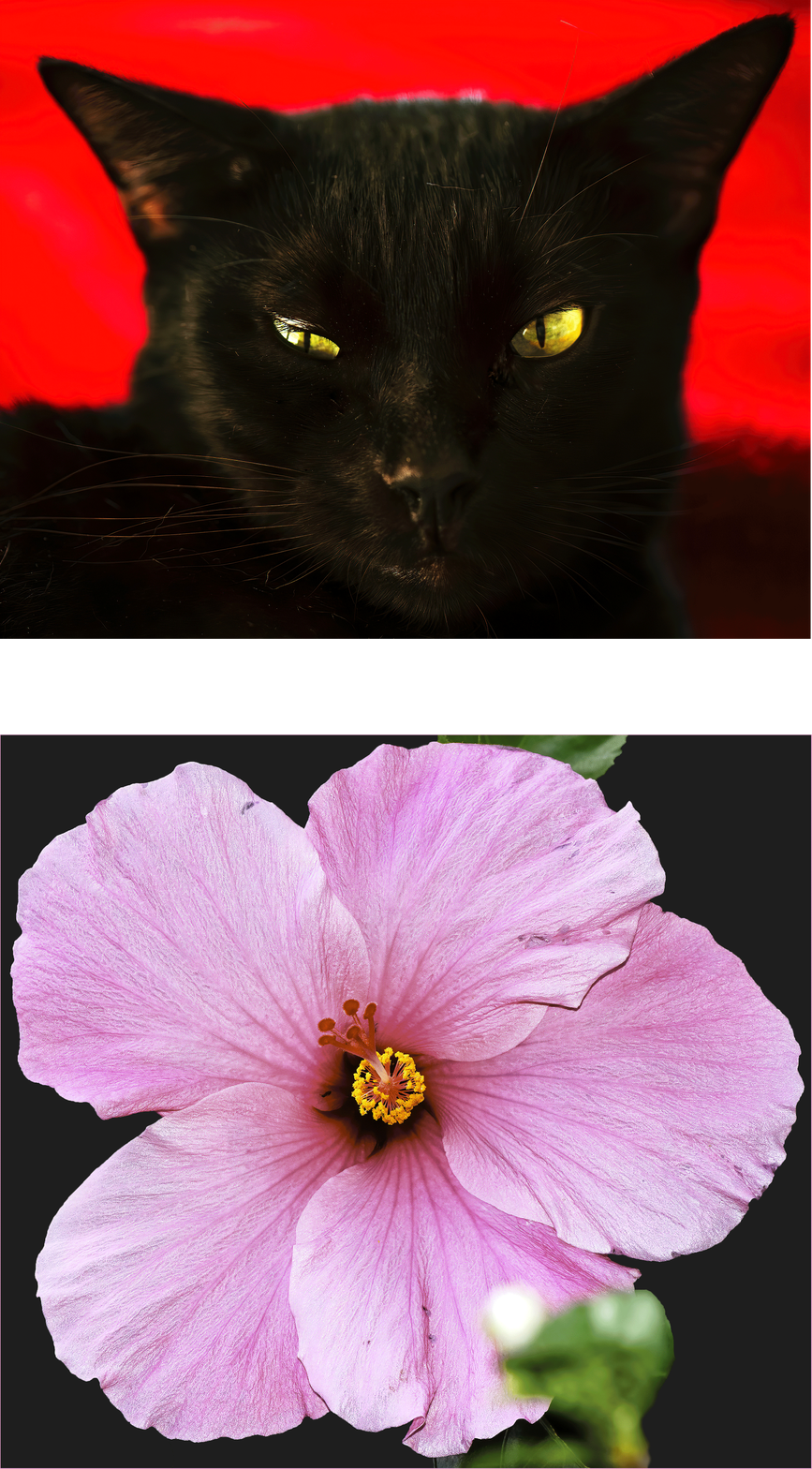
Month: August 2024
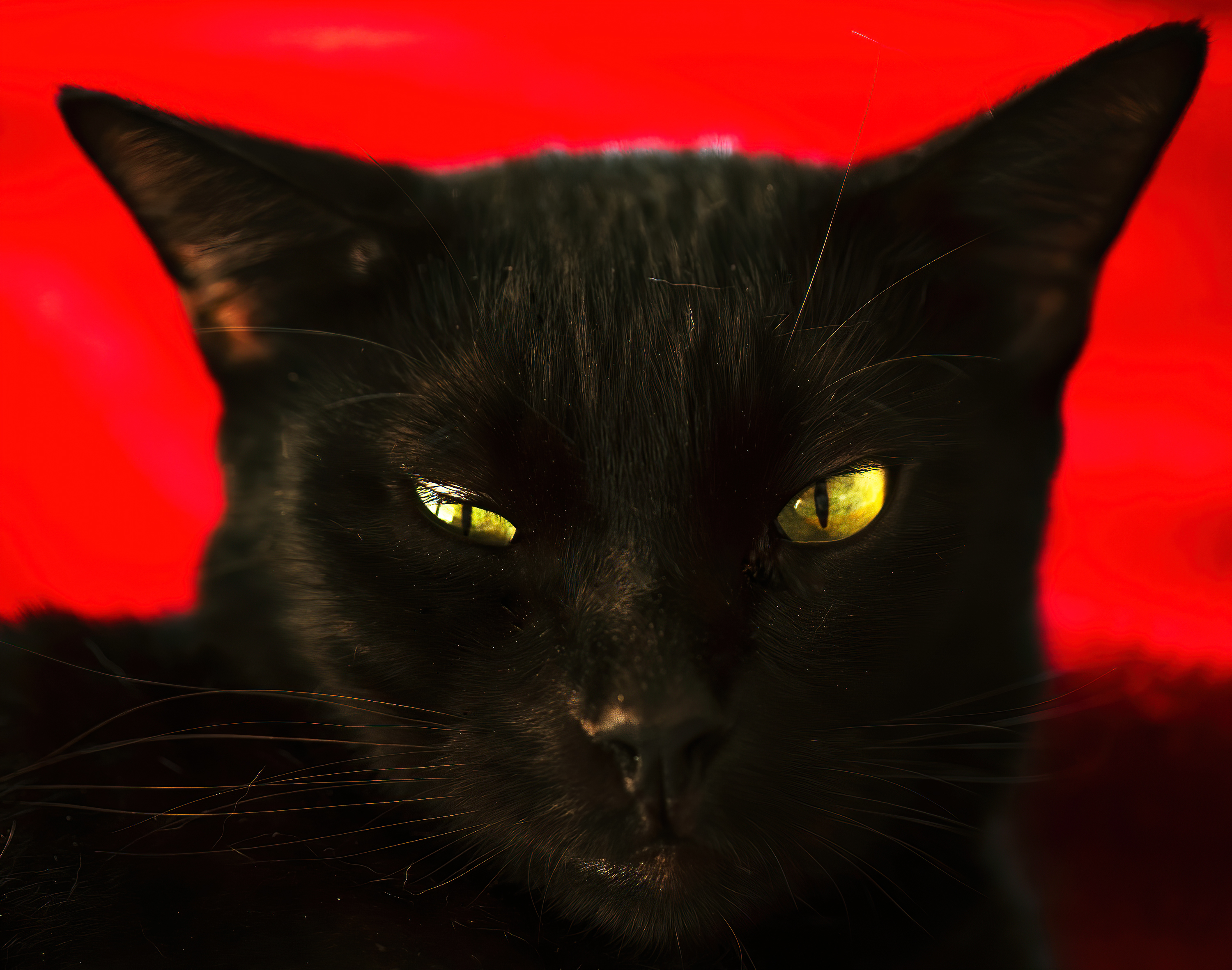

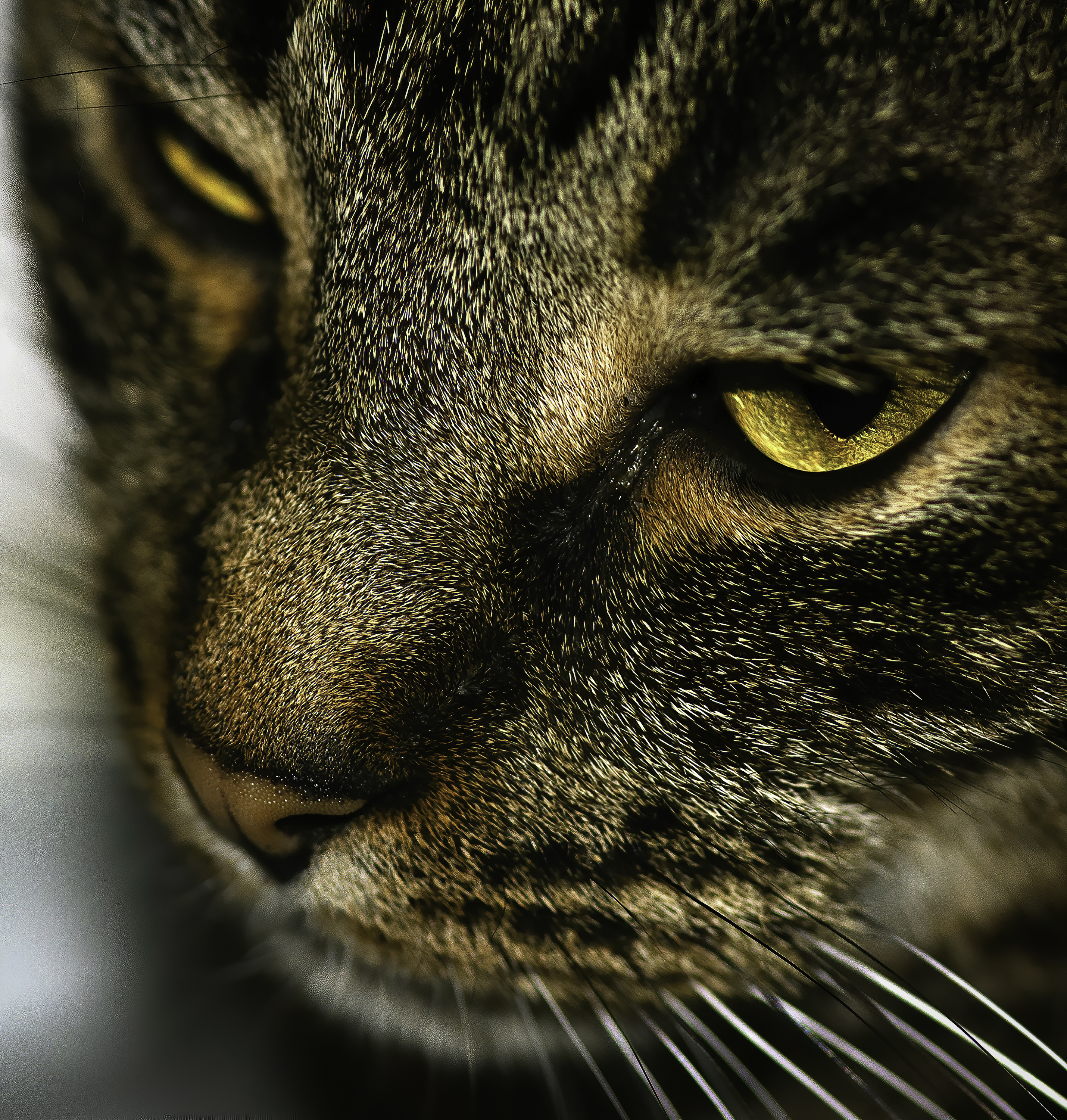
Early evolution of the ballerina

Honolulu orange X 4
1. In the citrus aisle of a Honolulu supermarket, it’ll be the tourists and the newcomers who bypass the small display of lumpy, blotchy brown-and-orange fruit in favor of Sunkist’s dyed dry cellulose sponges. The lumpy, blotchy fruits were oranges locally grown, and the experience of eating one of those would have been Keatsian: seen of none save him whose strenuous tongue can burst Joy’s grape against his palate fine.
2. In all the aisles you’ll see some women with shaved heads, habited in gray or brown. Those will be Chinese Buddhist nuns from the convent off Pali Highway, tucked away behind Temple Beth El. It’s painted a brilliant orange.
3. In the parking lot of the Hawaii Kai Safeway, touchingly vulnerable to shopping carts, I sometimes used to see a brilliant orange Lamborghini Murcielago, the one with the doors.

After it ceased coming around, the local newspaper carried a story about it. It turned out to be one of several exotics owned by a family living on Hawaii Loa Ridge —
[pause for effect]
a crime family.
Cahiers du cinéma

In memory of Franklin D. Roosevelt and his dog Fala
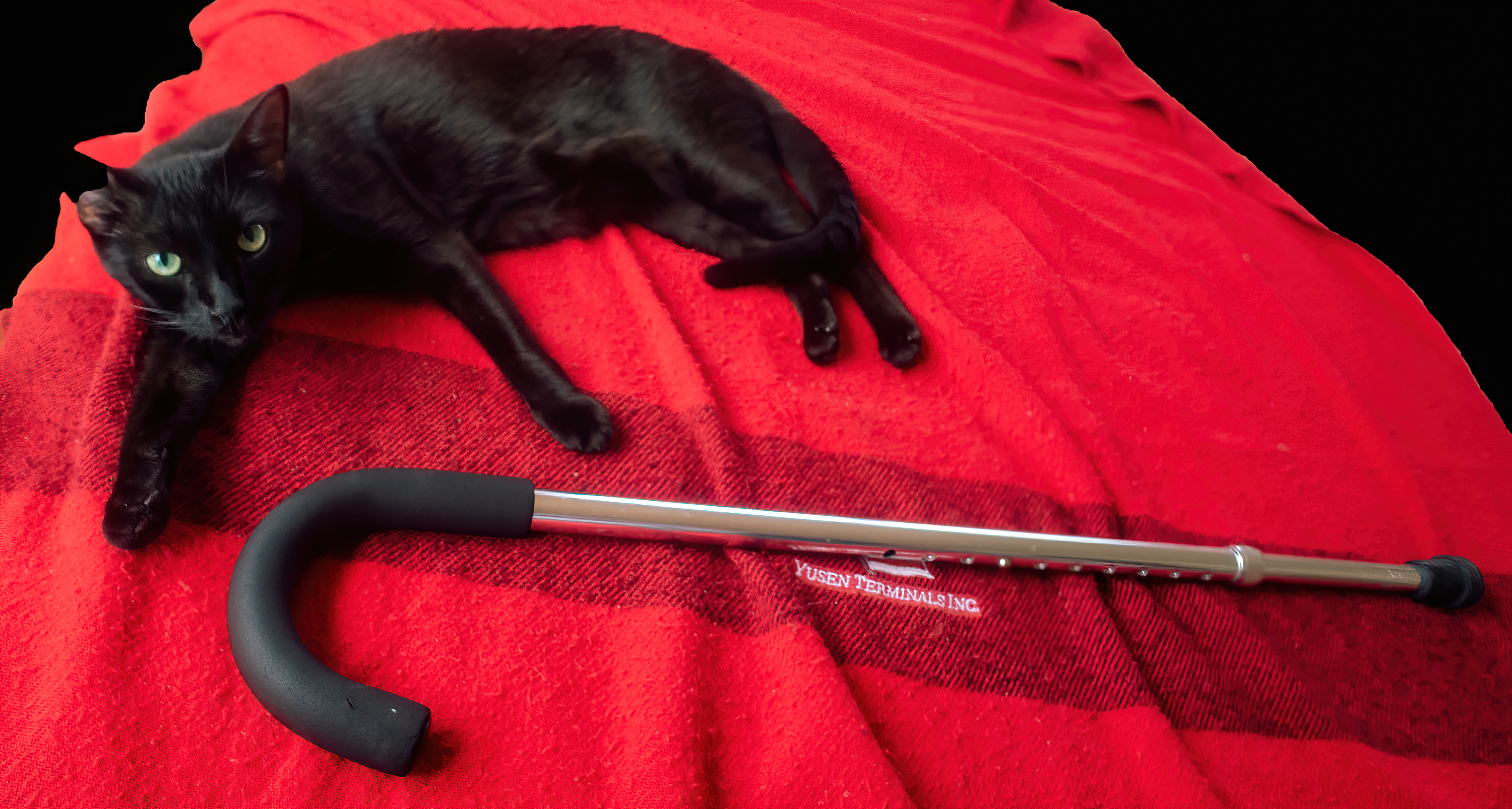
Event, entirely current
Somebody else who didn’t stop lying was Paul de Man. Following his death (in 1983, shortly after his sixty-fourth birthday), the news broke in two scandalous waves: first that as a journalist in occupied Belgium during World War II de Man had been not a member of the resistance, as he claimed, but a collaborator with the Nazis; then that otherwise, during the war and after, in Belgium and the United States, he was a scoundrel out of nineteenth-century melodrama: a forger, a thief, an exploiter and betrayer of friends and family. In that record, it was little more than a peccadillo that he also didn’t pay his bills.
Many years later, reviewing Evelyn Barish’s biography The Double Life of Paul De Man (Liveright, 2014), Jonathan Friedman recounted the scandal’s prehistory as he observed it from the outside. “I didn’t know Paul de Man —” he wrote for the Los Angeles Review of Books, “and it turns out, no one else really did either. I was a graduate student at Yale at the time of his greatest authority, the late 1970s and early 1980s. All the cool kids went to de Man’s seminars in Comp Lit, adopted his attitude of gnomic superiority, even mimicked his smile — halfway between a Cheshire cat’s and a rictus of suppressed gastrointestinal pain. I stayed away. [. . .] It wasn’t until his illness that I noticed him as anything more than yet another sartorially challenged prof who tromped around in a hideous gray raincoat.”
And then Friedman added:
One summer, he returned from somewhere — a vacation? a stint at the School of Criticism and Theory? — a bright and unnatural orange.
Source: Jonathan Friedman, “Deconstructing De Man in the Digital Age,” LARB, April 12, 2014. https://lareviewofbooks.org/article/deconstructing-de-man-digital-age/
Spectrum après la lettre: search “donald trump makeup.”
Lifecycle
