Even with our eyes upcast from the ground, we’ll probably have to acknowledge, sooner or later, that we are periodically overwhelmed from low within by something brute. The evidence is in the record. Twentieth-century Anglo-American literary history, for instance, yields up a whole alluvium of anecdotes about F. R. Leavis and Delmore Schwartz. Leavis, of Cambridge, was a critic who happened not to be able to write, read, or think; Schwartz, of Harvard, was a poet whose works are vanished now except for a single short story. But no one ever recovered from a seminar with Leavis or a conversation with Schwartz, and during their lifetimes those wordy men exerted a mute musclepower.
The nature of that relationship between us subordinates and those dominants has proved to be historically reversible. The century-old short story you’re about to read was forgotten long ago, and of course (you’re about to say) deservedly. Dating from the epoch of modernist literature, it never became literature itself. On the page before you it’s only old journalism: a few paragraphs on browned old paper, written in words whose developing language system moved out from under them and left them behind. But this year, see if this story doesn’t affect you in a way that seems new: new again for the first time in a century and therefore actually new. The developing language system has given you new powers and simultaneously deprived you of old ones.

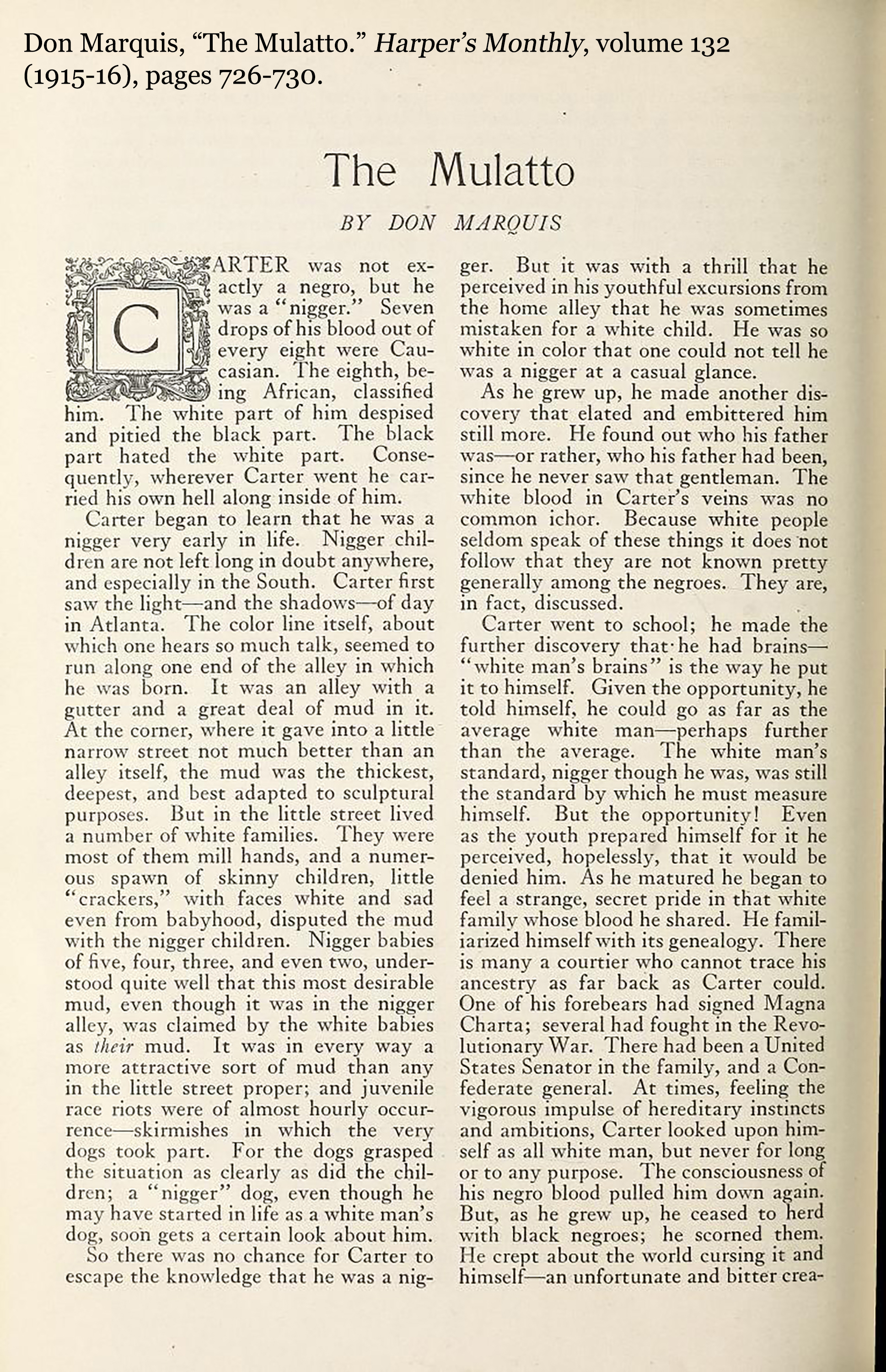
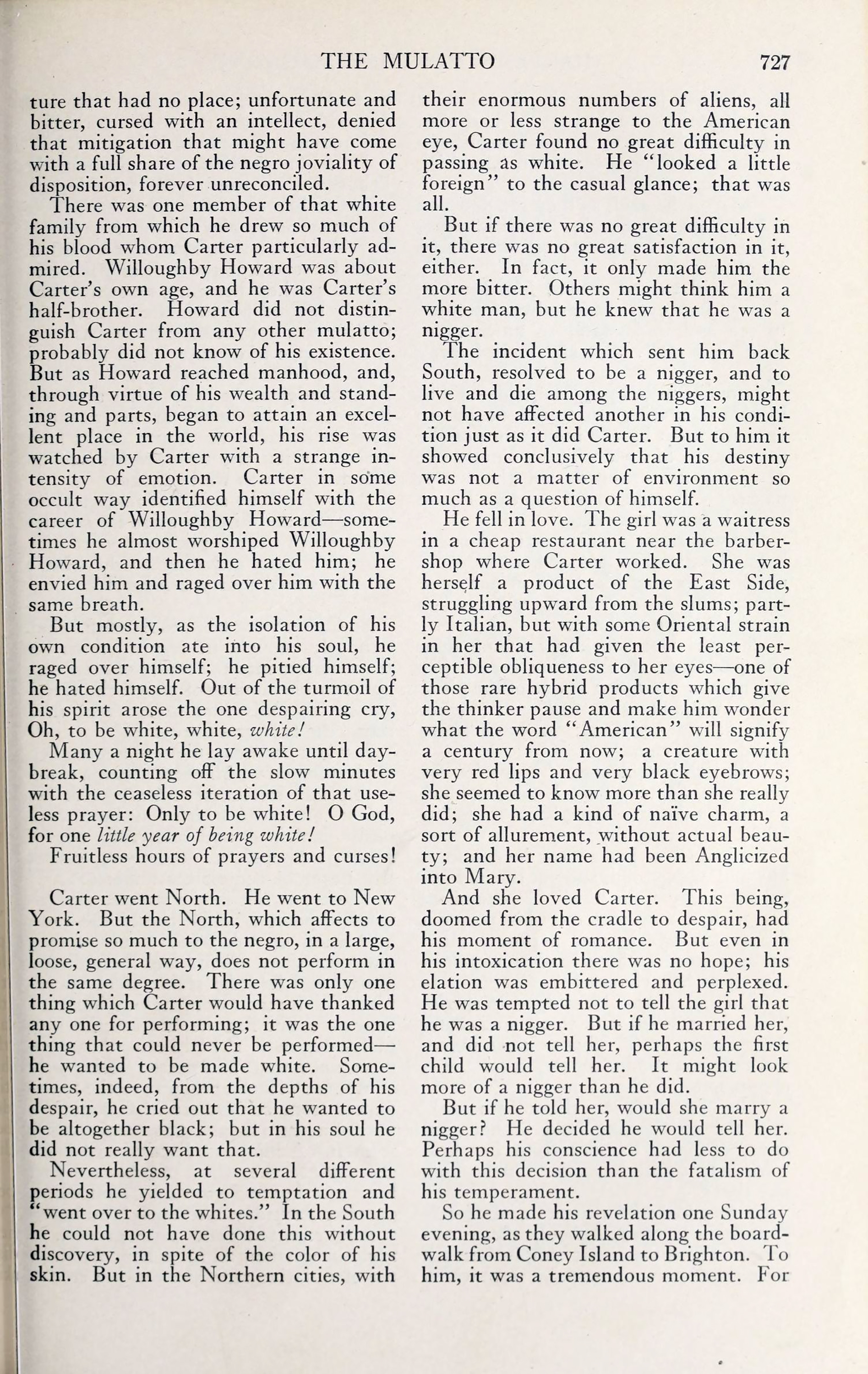
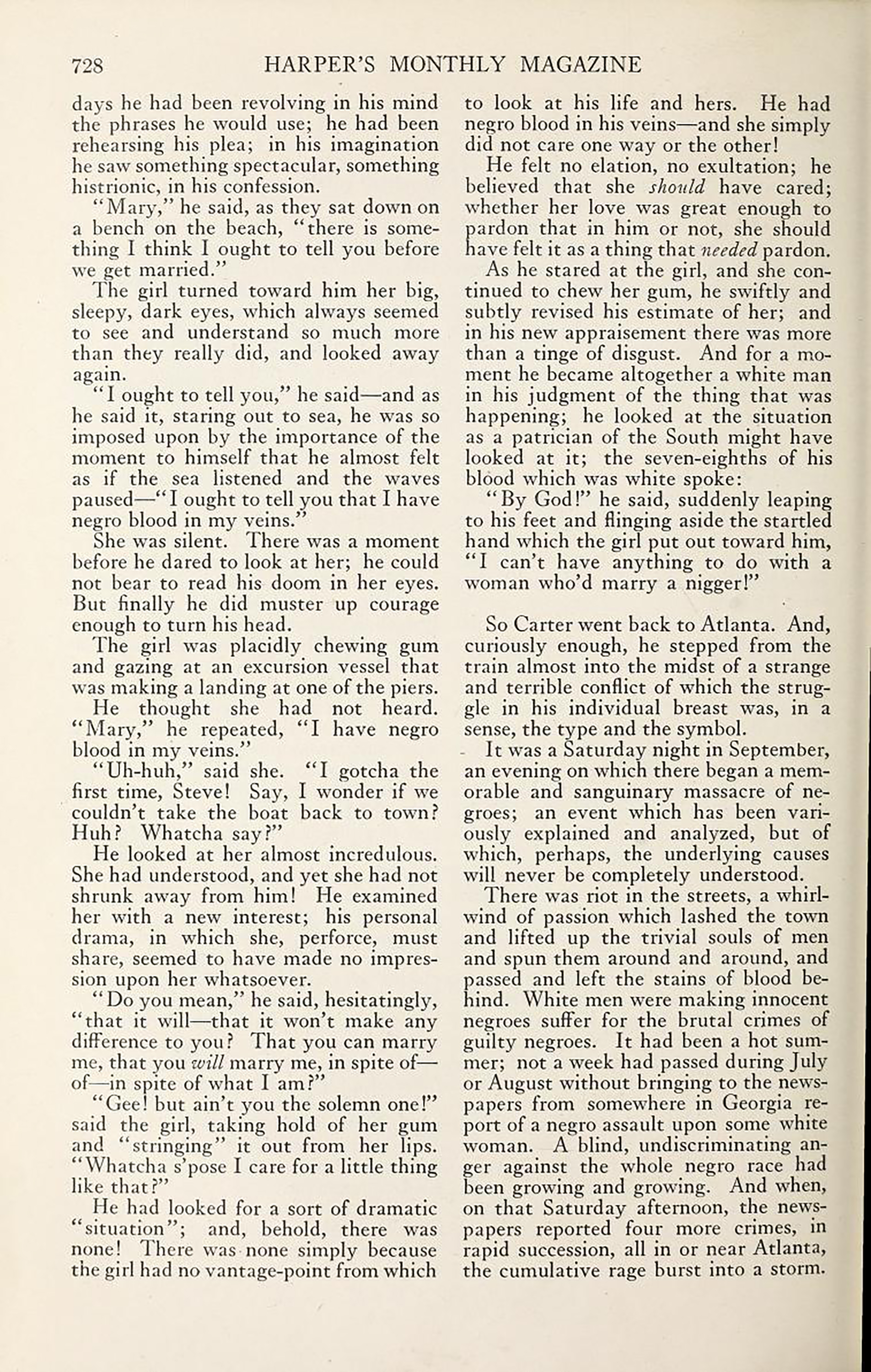
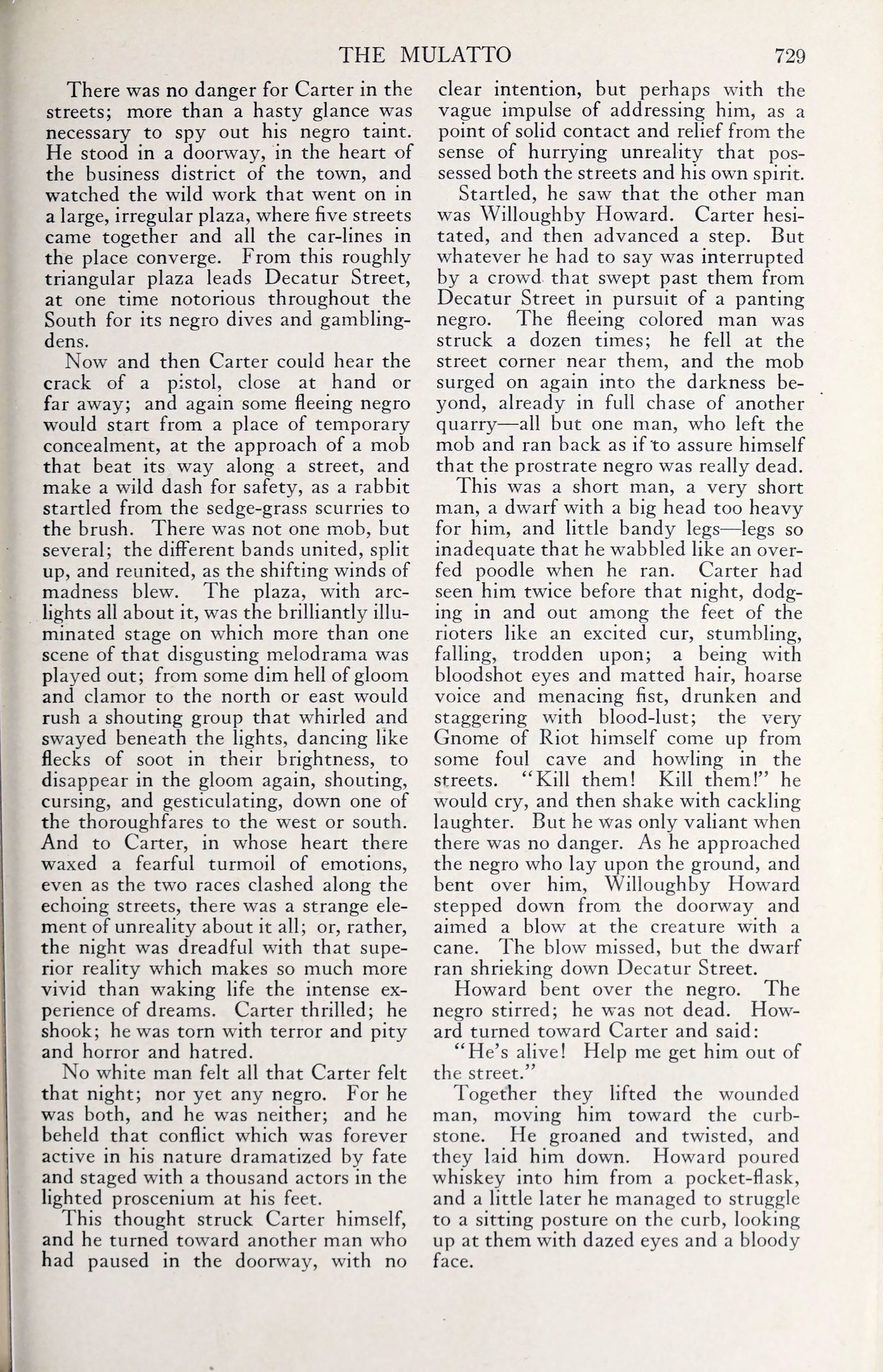
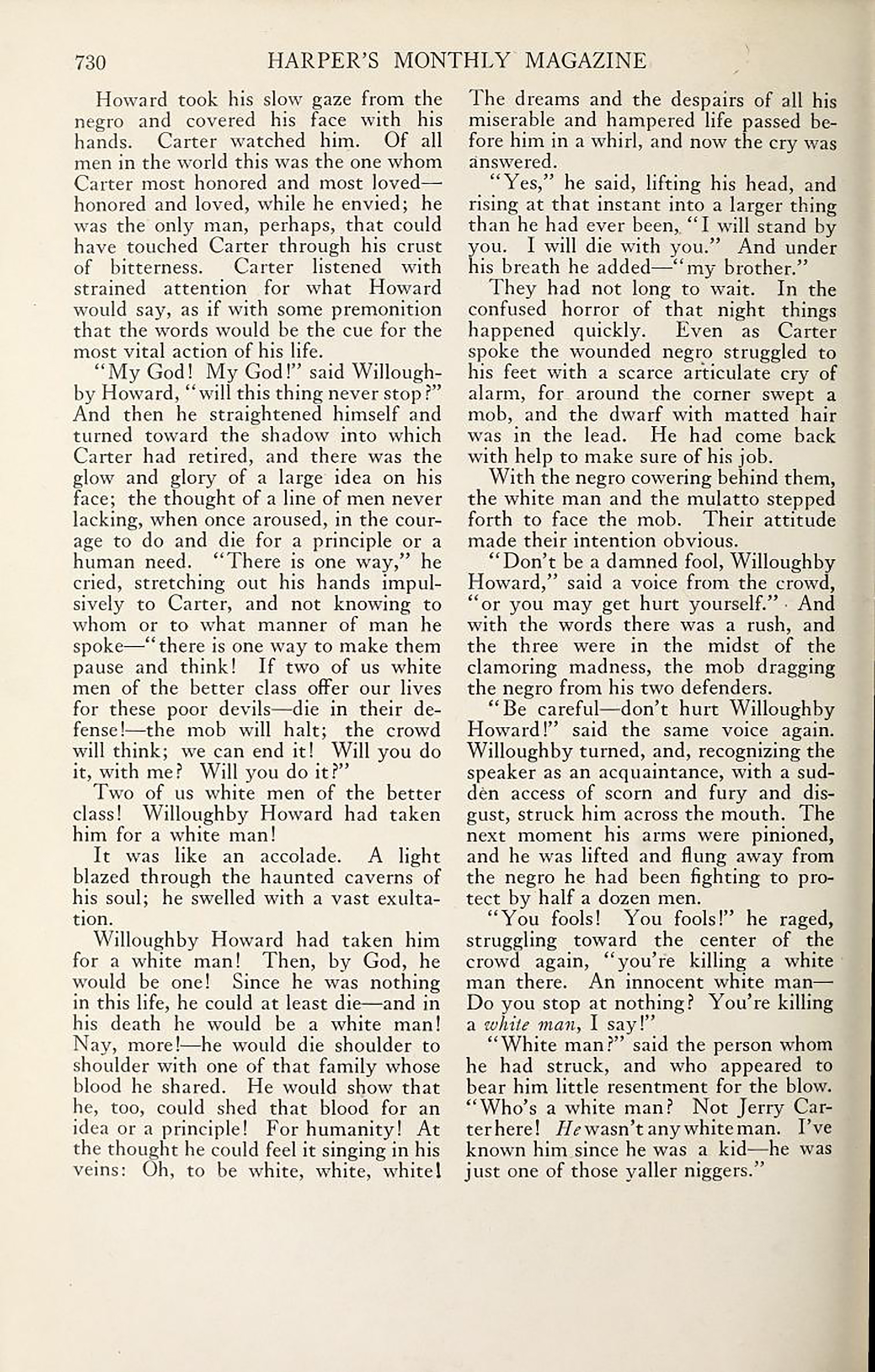
During his shortened life (1878-1937), this story’s author, Don Marquis, expressed himself in genre after genre through persona after persona, but what lives on now in words is only the persona you see in fine print here: Archy the cockroach poet.

And Archy himself was later to undergo the defining final stage of his metamorphosis at the hands of a graphic artist who (unlike Marquis) had a line in modernist textuality. That was George Herriman, the creator of Krazy Kat.
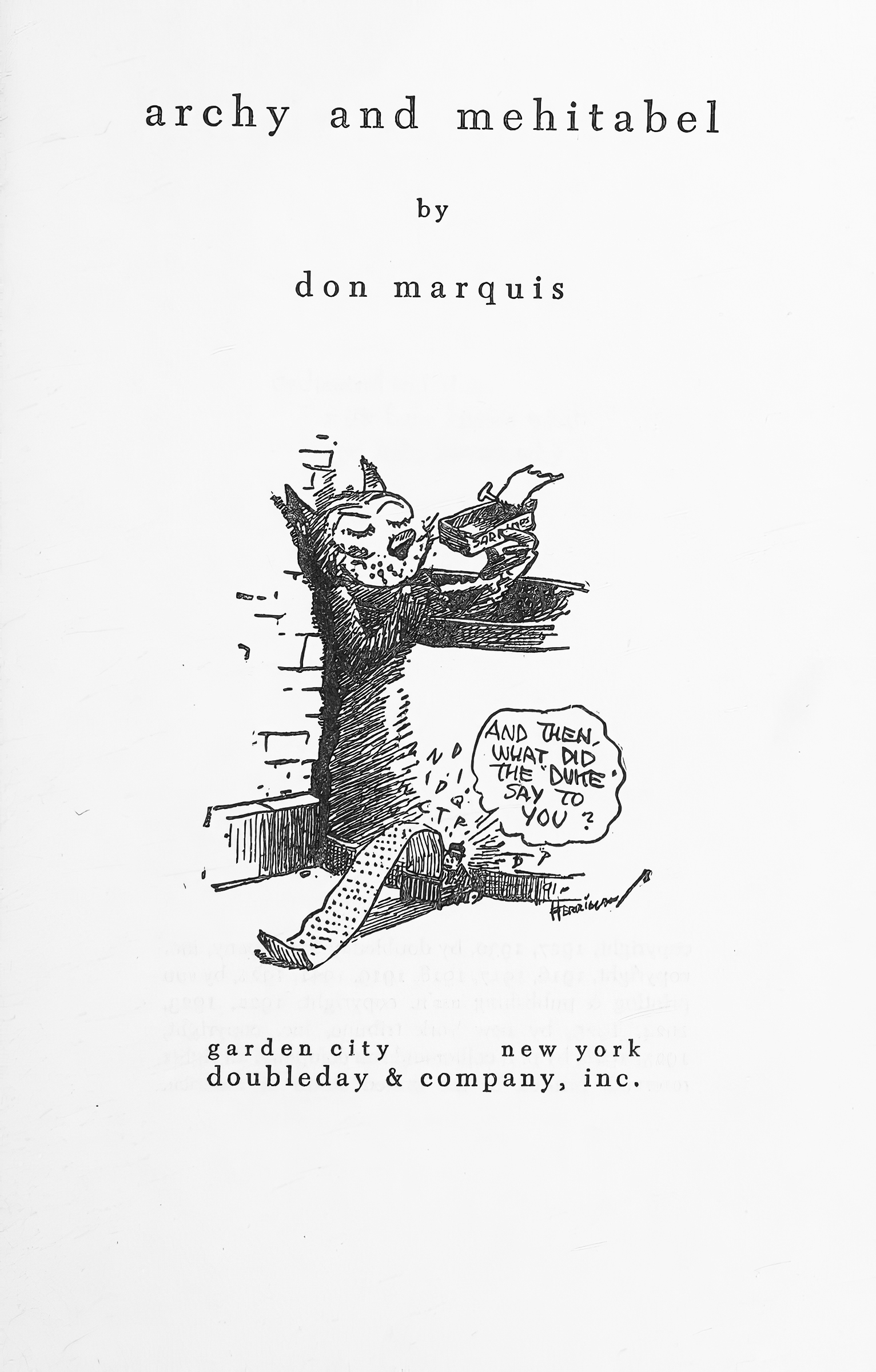
Nevertheless: because the image that you’ve just seen probably moves you, the short story that you probably haven’t really read moved you too, whether or not you knew at the moment that the transport was under way. You can test that assertion by keying it to a single probative fact:
Like the protagonist of “The Mulatto,” George Herriman was a black man who passed as white.
I wrote and bolded that sentence on May 26, 2025. If it had been written on May 26, 2024, it wouldn’t be readable now in the circa-2025 way you have just read it. Its relation to the verisimilar would be deeper-rooted. The change occurred during the interval between 2024 and 2025, when history’s personal force came rushing in an inaugural January flood between you and 2024’s older, loamier way of reading. Upwelling from undetected whiteness, it washed away some of the words you used to read with. As it came, it didn’t just dumb language down; it rooted it up and dumbed it away.
You can see for yourself how blank the page beyond Marquis and Herriman looks now. Until the white subsides, it may be all there is going to be.