Invented in 1854, the mass-produced 6-by-9 centimeter carte de visite photograph was at its peak of collectible popularity during the 1860s, when Oliver Wendell Holmes remarked,
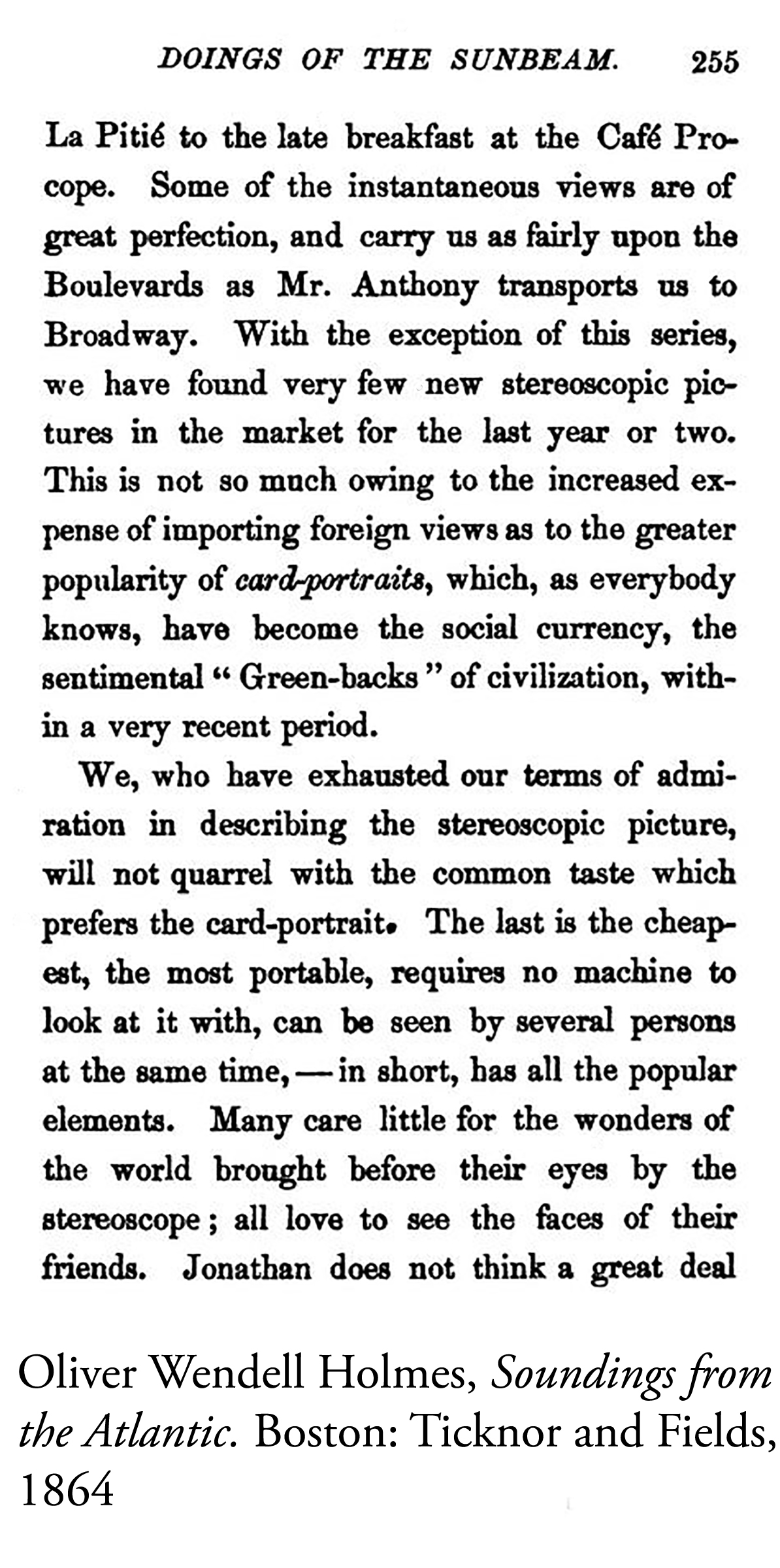 So Thomas Wentworth Higginson was only exhibiting the common taste of 1862 when he asked Emily Dickinson for her picture. He would have been startled by the first sentence of her reply: “Could you believe me without?” Miss Dickinson went on to explain:
It often alarms Father – He says Death might occur, and he has Molds of all the rest, but has no Mold of me, but I noticed the Quick wore off those things, in a few days, and forestall the dishonor – You will think no caprice of me –
The Letters of Emily Dickinson, ed. Cristanne Miller and Domhnall Mitchell (Harvard University Press, 2024), no. 345.
And no image followed, then or ever after.
But before, when she was only sixteen, a single earlier image was graven. It was a daguerreotype: an early kind of photograph which was reflective, like a mirror, and unique: lacking a negative and therefore reproducible only by rephotographing. That description sounds like a metaphor custom-fitted for a Dickinson Diana, but the 1847 daguerreotype is mostly generality. William C. North, the traveling “Daguerrian artist” who uncovered his lens in the presence of Emily Dickinson, performed exactly the same repertoire for her mother: pose, prop book and all. Nor was he killed by his own dogs for his presumption.
Daguerreotypes are pitiable on their own terms, too. Consisting only of a thin mercury-amalgam film deposited on a hard surface, a daguerreotype has to be shielded behind glass, and any contact with anything else that’s hard will leave a permanent mark. Over time, contact will be almost unavoidable. And if you try merely to look hard, aided by a lens or a video program, the blemished metal superficies will defeat your vision right there.
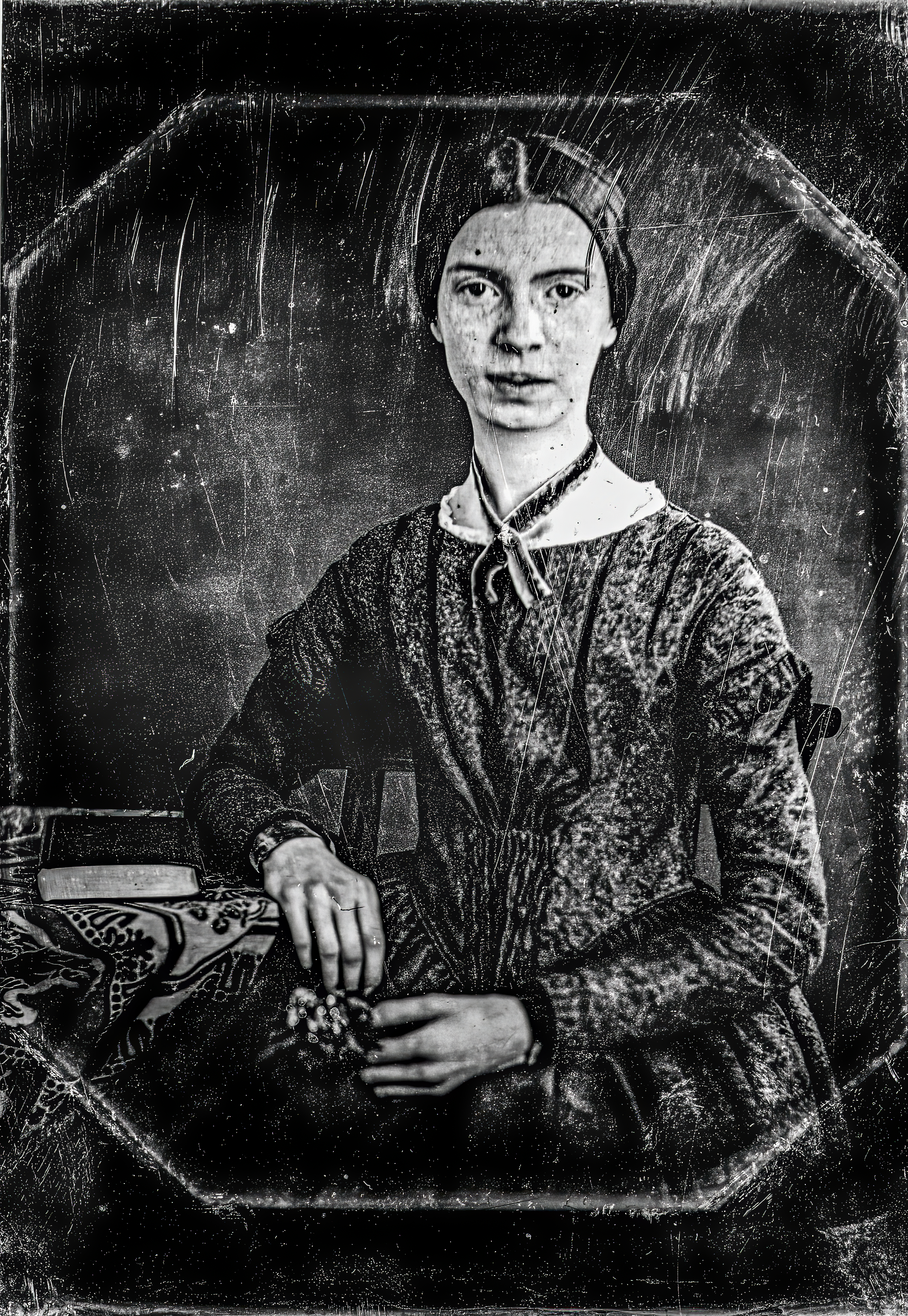
But I ask you to run the video once again, this time under the control of a program that commands, “Clean the metal, but don’t touch the blemished flesh.”
More detail will appear, but it will be only surface detail. Even after it has scribed itself into metal, it will remain only gossip. “With a metallic grin,” it will titter that sixteen-year-old Emily’s acne was bad and she may have had her hair in a net.* You’ve been trying to penetrate, but you’re still only skating across the impenetrable.
But keep skating. Skate on until you freeze into a snow queen. Because most daguerreotypes are mirror images, I think we’re warranted in asking Photoshop to reverse itself and make the queen’s icy image our own mirror. Look, therefore. Wait five seconds.
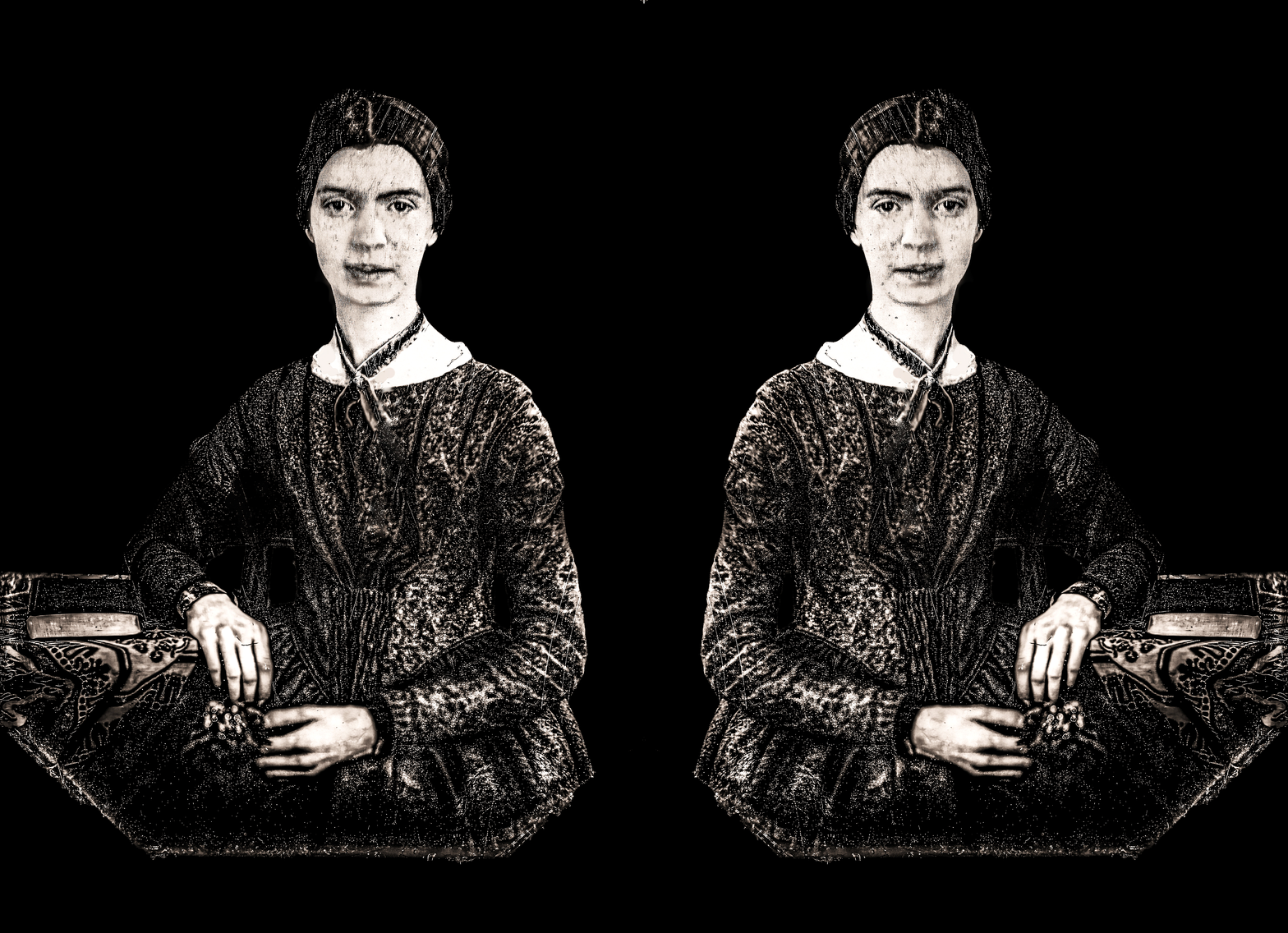
And see: an imaged eye capable of piercing any lens between itself and you, whether it’s a lens of glass or a lens of vitreous humor. The newly imaged body shifts on its axis, seeming to direct its gaze toward you. Newly seen, the smile you were used to thinking you saw has (as Dickinson used to say in the privacy of her language) failed. Newly imaged, her gaze is seen to be de haut en bas.
How ’scape you killing?
.
.
* Fr243, “That after horror”